CelluFend Reviews: What You Should Know About Skin Health
Understanding Skin Changes from Age 35 to 60
As we age, our skin undergoes a transformation we can’t ignore. Between the ages of 35 and 60, you might notice your skin losing its firmness and elasticity. These changes can be frustrating, especially when you see them in the mirror.
Research indicates that the skin’s collagen production drops significantly after the age of 30, contributing to wrinkles and sagging. A study published in the Journal of Investigative Dermatology highlights how hydration levels also decline with age, which can further affect the skin's appearance.
But what surprises most people is that environmental factors play a role too. Sun exposure in places like California and Florida can accelerate skin aging. It's essential to be aware of how these factors combine to affect your skin as you age.
So, if you’re living in a sunny state like Arizona, consider how the sun might be impacting your skin’s elasticity and hydration. Protecting your skin with sunscreen and moisturizing regularly can help mitigate these changes.
In summary, understanding these transformations is the first step in caring for your skin as you age. The good news is that with the right approach, you can maintain a healthy glow.
The Role of Nutrition in Skin Health
You are what you eat, and this couldn't be more accurate when it comes to skin health. The foods you choose can significantly impact your skin's appearance and condition. Nutrients like vitamins C, E, and omega-3 fatty acids play key roles in keeping your skin vibrant.
Studies indicate that a diet rich in antioxidants can fight free radicals, which are harmful compounds that can age the skin. A study in the Dermatologic Clinics shows that diets high in fruits, vegetables, and healthy fats are linked to improved skin texture and reduced wrinkles.
Look, if you’re in a state like New York, where fresh produce is readily available, consider incorporating more colorful fruits and leafy greens into your meals. Foods like berries, spinach, and avocados are packed with the nutrients your skin craves.
And don't forget about hydration—drinking enough water is just as crucial. It helps your skin stay plump and healthy. So, whether you're in Texas or Illinois, make sure to keep a water bottle handy.
Ultimately, a balanced diet may support both your body and skin health. Small changes in your nutrition can lead to noticeable improvements.
Hydration: The Foundation for Radiant Skin
When it comes to skin health, hydration is everything. Think about it—our skin is the body's largest organ, and it needs adequate water to function properly. Without proper hydration, you'll often notice dryness, flakiness, or even an increase in fine lines.
Research shows that skin hydration is essential for maintaining a healthy barrier and elasticity. A study published in Skin Research and Technology suggests that well-hydrated skin appears smoother and more elastic, while dehydrated skin can look dull and aged.
So, if you're living in a dry climate like Washington or Arizona, it’s even more crucial to pay attention to your hydration levels. Drinking water is just one part of the equation; using hydrating products can also make a difference.
Consider incorporating a good moisturizer into your routine, especially if you're in a humid environment in Florida or Texas. Look for ingredients like hyaluronic acid, which can help draw moisture into the skin.
In short, prioritizing hydration may support not only your skin’s appearance but also your overall health. With some mindfulness around your water intake, you can achieve that radiant glow.
Lifestyle Factors That Affect Skin Aging
Your lifestyle choices play a significant role in how your skin ages. Habits like smoking and excessive sun exposure can accelerate the aging process, leading to wrinkles and discoloration. Sound familiar?
Studies indicate that smoking can reduce blood flow to the skin and damage collagen and elastin, vital components that keep skin firm. According to research published in the Archives of Dermatology, smokers can look up to 10 years older than non-smokers.
Living in sunny states like California or Florida means you have to be extra vigilant about sun protection. The sun's UV rays can break down collagen and lead to premature aging, so applying sunscreen daily is a must.
And let’s not forget about stress—chronic stress can wreak havoc on your skin. If you’re in a bustling city like New York, take time to unwind and relax. Mindfulness practices like yoga or meditation can make a huge difference.
In conclusion, being mindful of your lifestyle choices can help slow down skin aging. Taking small steps today can yield big results tomorrow.
Understanding Products for Skin Care: A Look at CelluFend
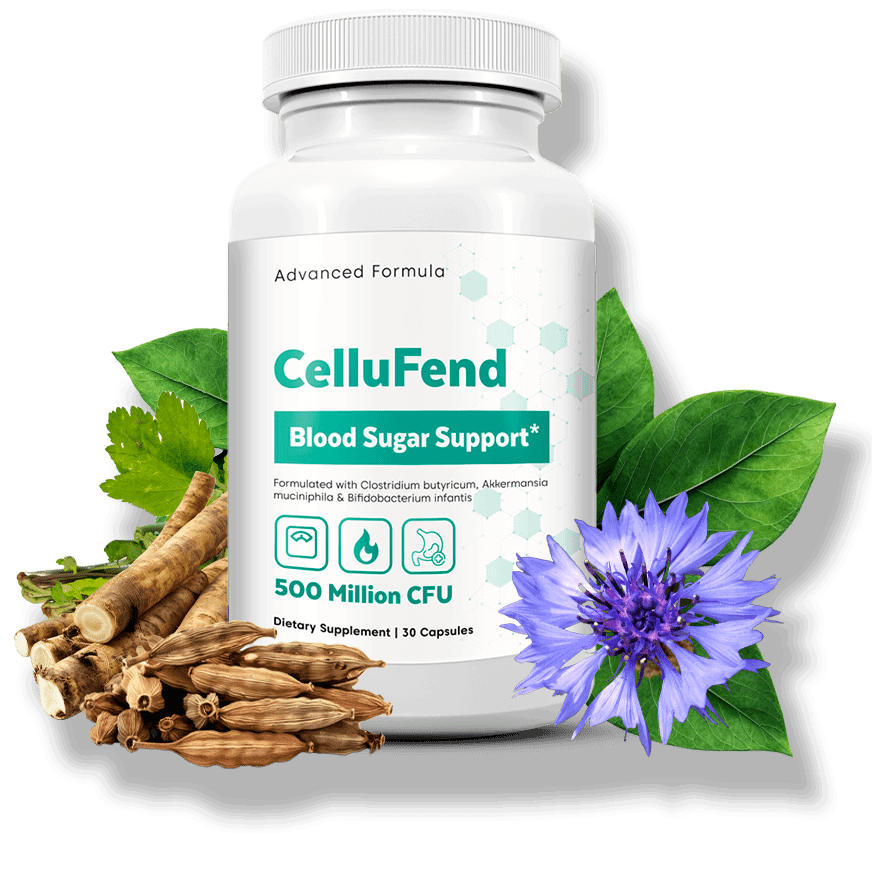
When it comes to skincare products, it’s vital to know what you’re putting on your skin. Not all products are created equal, and understanding the ingredient list can empower you to make informed choices. CelluFend is one product that’s been making waves in the skincare community.
This product claims to support skin elasticity and overall appearance, which is something many of us are looking for as we age. But here’s the thing: it’s essential to look beyond marketing claims and consider the science behind the ingredients.
A study published in the International Journal of Dermatology highlights the importance of active ingredients in skincare formulations. Knowing whether those ingredients are backed by research can save you time and money.
If you're in Illinois, where access to skincare options is abundant, take the time to read labels. Ingredients like retinol and peptides may provide benefits, but make sure they align with your skin type and concerns.
In summary, being a savvy consumer can greatly enhance your skincare routine. A little knowledge goes a long way in helping you choose products that may support your skin's health.
Exercise and Skin Health: The Surprising Connection
Did you know that your workout routine can greatly impact your skin health? It’s true! Regular physical activity boosts circulation, which helps deliver nutrients and oxygen to your skin. This can lead to a more vibrant complexion.
Research suggests that exercise not only improves blood flow but also helps to reduce stress—another factor that can negatively impact skin. A study in the Journal of Clinical and Aesthetic Dermatology found that participants who exercised regularly had better skin texture and fewer signs of aging.
So, if you’re in a state like Texas, where outdoor activities are plentiful, make the most of your environment. Whether it’s hiking or jogging, find ways to stay active and reap the skin benefits.
And don’t forget about post-workout skin care! Washing your face after sweating is crucial to prevent clogged pores, especially if you live in a humid area like Florida.
In conclusion, integrating exercise into your routine may not only enhance your physical health but also improve your skin's appearance. Plus, it’s a win-win for your overall well-being!
Mental Well-Being and Its Impact on Skin Appearance
Ever notice how stress seems to show up on your skin? You’re not alone. Mental well-being can significantly impact your skin’s health and appearance. Stress can lead to breakouts, dullness, and even skin conditions like eczema.
Studies indicate that cortisol, the stress hormone, can lead to increased oil production, which may cause acne. Research published in the Journal of Investigative Dermatology illustrates this link quite clearly, showing how stress can exacerbate skin issues.
So, if you’re living in a high-pressure area like New York, consider incorporating stress-reducing activities into your routine. Practices like yoga, art, or even simple meditation can help lower stress levels and benefit your skin.
And remember, your mental health is just as important as physical health. Finding balance is crucial for everyone, whether you’re in sunny California or the windy plains of Illinois.
Ultimately, fostering good mental health may also support the overall health of your skin. A little self-care can go a long way!
Skincare Routines for Ages 35 to 60
Creating a skincare routine that works for you is crucial as you move from your 30s into your 60s. The needs of your skin can change significantly, especially as you start to notice those fine lines and texture changes.
Research suggests that a tailored skincare routine can lead to better results. A study in the Journal of Cosmetic Dermatology indicates that individuals who follow a consistent regimen experience improved skin health.
So, what does that look like? If you're in Washington, for example, a morning routine could include a gentle cleanser, Vitamin C serum, sunscreen, and a lightweight moisturizer. At night, consider using retinol or peptides to help with skin renewal.
And don’t forget about hydration! If you're in a dry state like Arizona, adding a hydrating mask once a week could really boost your routine. Tailoring your products to your environment and skin type is key.
In summary, developing a personalized skincare routine may support your skin's health and appearance as you age. Your skin deserves the best care possible!
Common Myths About Skin Health Debunked
There are plenty of myths floating around about skincare and aging that can lead you astray. One common myth is that you only need sunscreen on sunny days; that's simply not true. UV rays can damage your skin even on cloudy days!
Research supports the need for daily sunscreen use, regardless of the weather. A study published in the Journal of the American Academy of Dermatology shows that consistent UV protection can significantly reduce the risk of skin aging and cancer.
So, if you’re in a sunny state like Florida, make sure to wear sunscreen daily. Another myth is that anti-aging products are only necessary in your 50s. The truth is, starting earlier can yield better results.
Look, if you’re in Texas and just starting your skincare journey, don’t wait until you see signs of aging. Prevention is always better than trying to fix things later.
Ultimately, debunking these myths can empower you to make smarter skincare choices. Knowledge is power when it comes to your skin's health!
Creating a Preventive Plan for Healthy Skin
Taking care of your skin doesn’t have to be complicated. Creating a preventive plan focused on healthy skin can make a significant difference as you age. It’s all about being proactive rather than reactive.
Research indicates that a consistent skincare routine, combined with a healthy lifestyle, can support skin health. A study in the Dermatologic Surgery highlights the effectiveness of early intervention in maintaining skin quality over time.
So, if you’re in a bustling place like New York, consider setting aside a little time for self-care each day. Simple habits like drinking enough water, using sunscreen, and maintaining a balanced diet can have lasting effects.
And stay active! Whether it’s a walk in the park in California or a workout class in Illinois, regular exercise supports both your skin and overall health.
In summary, taking these small, consistent steps can lead to dramatic improvements in your skin's appearance. Preventive care is the key to maintaining that youthful glow!
Key Takeaways
- Skin changes as we age, particularly after 35.
- Nutrition plays a vital role in maintaining skin health.
- Staying hydrated is essential for skin appearance.
- Lifestyle choices significantly influence skin aging.
- Exercise contributes positively to skin quality.
- Mental well-being impacts skin health, too.
- A personalized skincare routine can help address age-related changes.
References & Sources
- Skin Aging: Current Research Trends — PubMed
- Nutrition and Skin Aging — PubMed
- Hydration Status and Skin Health — PubMed
- Impact of Sun Exposure on Skin Aging — PubMed
- Exercise Effects on Skin Health — PubMed
- Psychological Factors in Skin Health — PubMed
- Effectiveness of Skincare Regimens — PubMed
- Debunking Skincare Myths — PubMed